
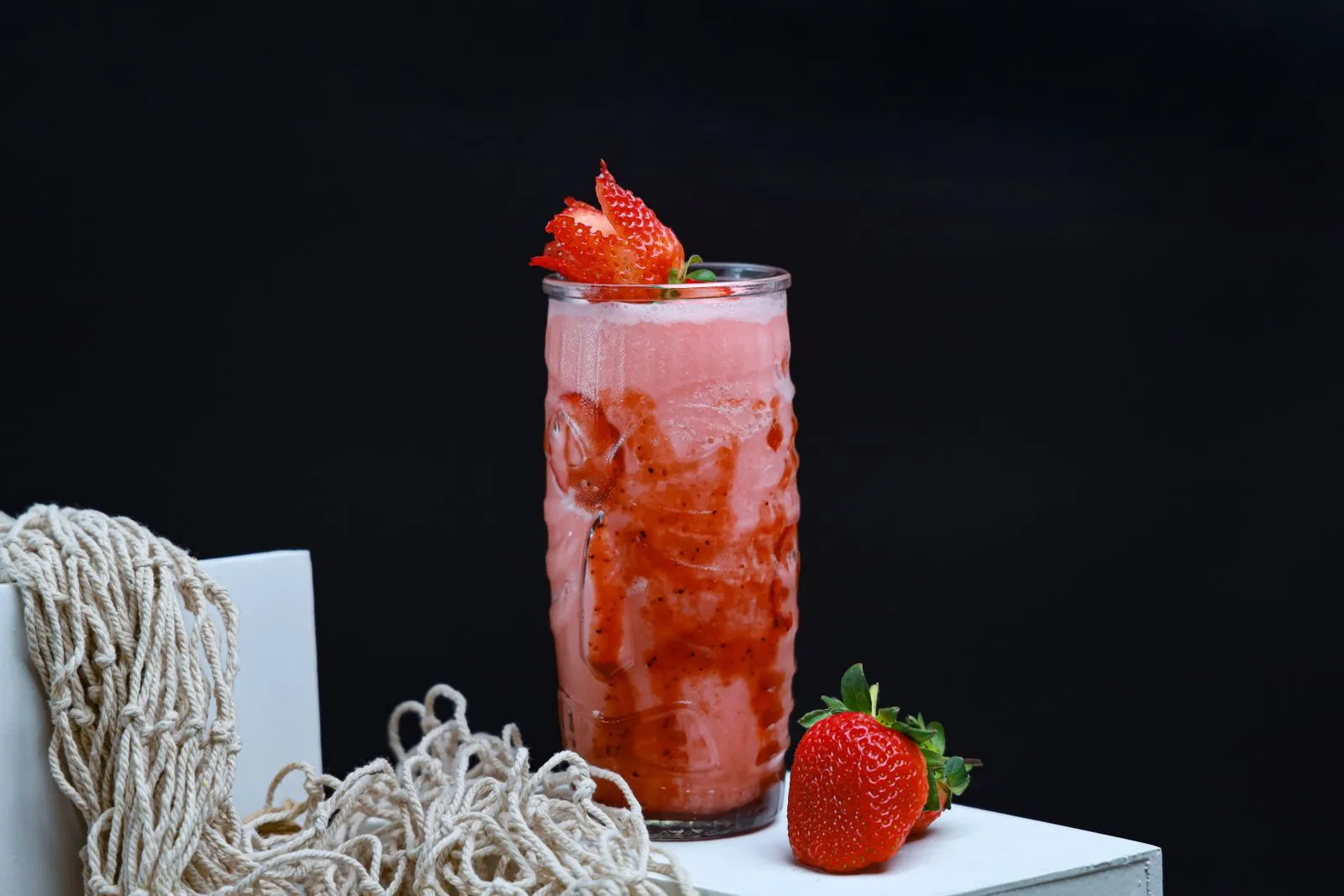
Choosing a fruit smoothie is easier when you think about flavor and texture separately. Some combinations taste bright and tart, while others are mellow, creamy, or naturally sweet. The fruit and liquid also shape whether a drink feels thick enough to eat with a spoon or light enough to sip on the go. Use these simple comparisons to describe what you enjoy and find a blend that feels right for you.
Start With the Flavor You Like
For a bright, tangy taste, look for combinations built around citrus, pineapple, or berries. These fruits bring noticeable acidity, which can keep a blend from tasting too sweet. Pairing tart fruit with banana or mango softens the sharper notes while keeping the smoothie lively. If you enjoy fruit-forward flavors with a little zing, ask which ingredients make up the more tangy options.
For a gentler, sweeter profile, try mango, banana, or peach. These fruits have rounded flavors that tend to blend smoothly together. A berry mixed with banana can balance fruity tartness with a familiar sweetness. If you prefer less intensity, choose a blend with a few complementary fruits rather than many competing flavors.
Think About Sweetness
Fruit sweetness varies, and a smoothie’s overall taste also depends on its liquid and any added ingredients. Ripe banana and mango can make a blend taste sweeter and fuller, while berries and citrus often add a sharper edge. If you want a less-sweet drink, ask whether the recipe includes sweeteners, juice, or other ingredients beyond fruit.
You can also use flavor contrast to guide your choice. A tart fruit can balance sweeter ingredients, while a mild fruit can make a bold combination feel softer. Describe your preference plainly—such as lightly sweet, very fruity, or more tart—and ask which available blend is closest.
Choose Your Preferred Texture
Banana, avocado, and thick yogurt can give a smoothie a creamy, substantial feel. Frozen fruit often makes a blend thicker and colder, while extra liquid usually makes it easier to sip. If you want a filling texture, look for creamy ingredients and a thicker preparation. For a lighter drink, ask for a smoother, more pourable blend.
Fruit with lots of small seeds, such as raspberries or blackberries, can leave a slightly textured finish. Mango and banana usually blend into a smoother consistency. If texture matters to you, mention whether you prefer silky, thick, or a little pulpy. That gives the person preparing your drink a clear starting point.
Match the Blend to the Moment
Consider when and how you plan to enjoy the smoothie. A thick, creamy blend may suit a relaxed snack, while a lighter, more pourable option can be convenient when you are heading out. On a warm day, a cold, tart combination may feel refreshing; a mellow fruit blend can be a comfortable choice when you want something less sharp.
If you are unsure, start with one preference and build from there: choose a flavor direction, then decide on sweetness and thickness. At Palm & Pour in Melbourne, you can ask about the fruit combinations and textures available before choosing. If you have an allergy or ingredient restriction, check the recipe and preparation details with the staff.
A smoothie that suits you comes down to a few simple choices: bright or mellow fruit, tart or sweet flavor, and light or creamy texture. Use those preferences to narrow down the options, and ask about ingredients when you need more detail. A clear description of what you enjoy can help you find a blend you’ll want to order again.